Planning your first European tour feels both exciting and overwhelming. With 44 countries offering countless incredible destinations, choosing where to start your European adventure requires careful consideration. The ideal first-time destinations combine iconic experiences with traveler-friendly infrastructure, offering a gentle introduction to European travel while delivering unforgettable memories.
Having guided countless first-time European visitors and witnessed their reactions to different destinations, I've identified the locations that consistently create magical first impressions while remaining accessible and manageable for travel newcomers.
Paris, France
Paris stands as perhaps the world's most iconic city, making it an obvious choice for first-time European visitors. The city delivers exactly what you imagine: the Eiffel Tower dominates the skyline, cafes line charming boulevards, world-class museums showcase humanity's greatest art, and romance permeates the atmosphere.
Beyond meeting expectations, Paris surprises visitors with its walkability, efficient metro system, and remarkable neighborhood diversity. Montmartre's artistic heritage differs dramatically from the Latin Quarter's intellectual energy, while Le Marais blends medieval architecture with cutting-edge fashion.
First-time visitors should dedicate 3-4 days to Paris, allowing time for major museums like the Louvre and Musée d'Orsay, iconic monuments including the Eiffel Tower and Arc de Triomphe, and leisurely neighborhood exploration. Don't overplan; some of Paris's best moments emerge while wandering aimlessly through beautiful streets.
Why It Works: Excellent public transportation, English spoken widely, iconic recognizable sights, endless dining options, comprehensive tour operator coverage.
Rome, Italy
Rome offers first-time visitors an extraordinary concentration of historical wonders spanning nearly three millennia. Walking through Rome feels like moving through a living museum where ancient ruins, Renaissance palaces, and modern Italian life coexist seamlessly.
The city's compact historic center allows visitors to see major sights on foot. Walk from the Colosseum to the Roman Forum, continue to Piazza Venezia, and reach the Trevi Fountain in under two hours. This accessibility makes Rome particularly suitable for first-time European travelers still developing their navigation confidence.
Italian hospitality shines in Rome. Restaurant servers welcome tourists warmly, locals offer directions cheerfully, and the relaxed Mediterranean atmosphere reduces travel stress. Even navigating Roman chaos feels like part of the adventure rather than an obstacle.
Allocate 3-4 days for Rome, balancing ancient sites like the Colosseum and Pantheon with artistic treasures in Vatican museums, charming neighborhoods like Trastevere, and of course, incredible Italian food.
Why It Works: Walkable historic center, dramatic visual impact, outstanding food, warm hospitality, abundant English-language resources.
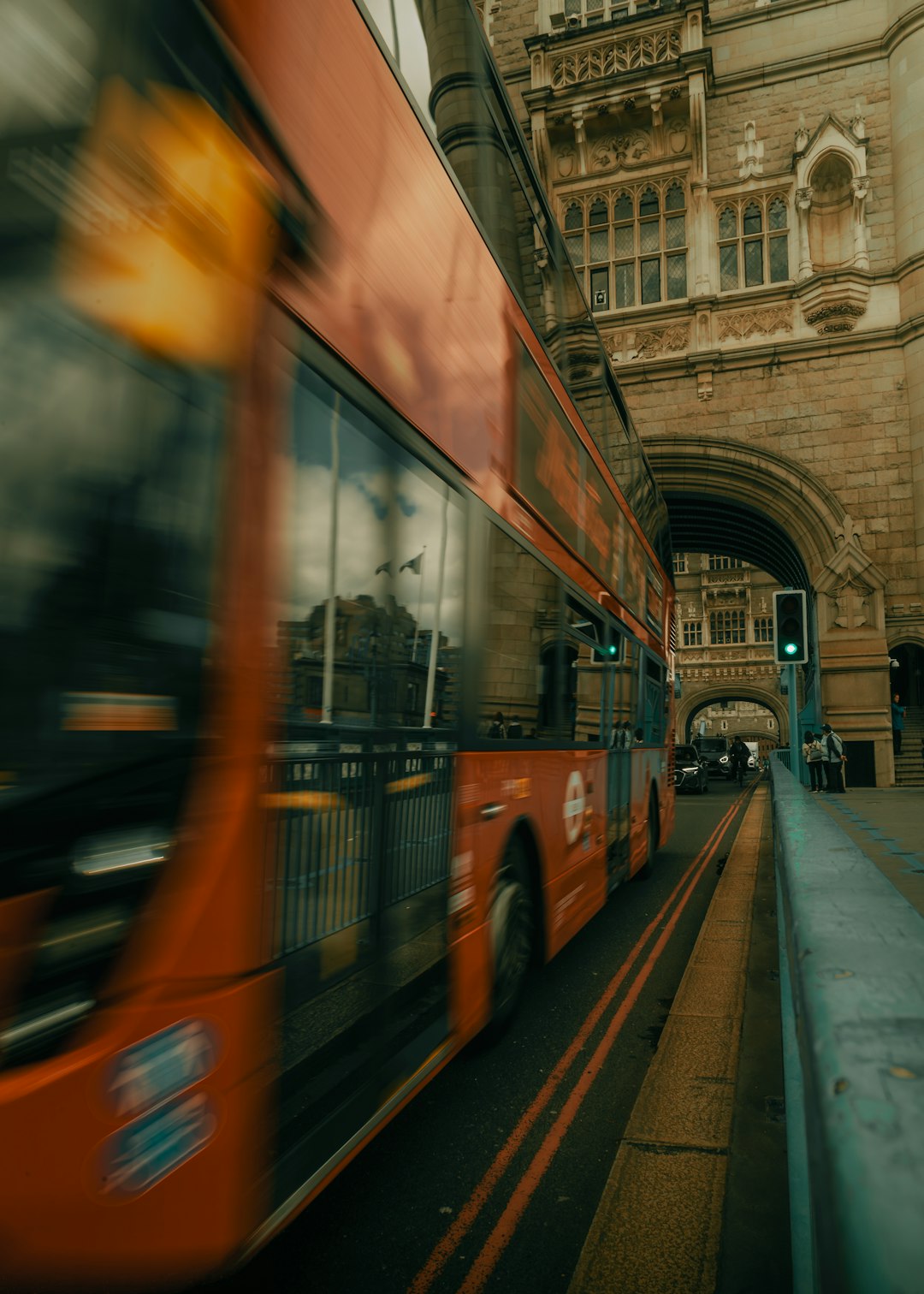
London, England
For English-speaking travelers, London provides the gentlest possible introduction to European travel. Language barriers disappear, making every interaction easier from ordering meals to asking directions. This linguistic comfort allows first-timers to focus on experiencing European culture without communication stress.
London combines British tradition with multicultural dynamism. Visit Buckingham Palace and Westminster Abbey in the morning, explore world-class museums like the British Museum and National Gallery in the afternoon, then enjoy West End theatre in the evening. The variety ensures every traveler finds something compelling.
London's extensive public transportation network, particularly the Underground, makes navigation straightforward even for first-time visitors. Clear signage, frequent service, and comprehensive coverage mean you'll reach any major attraction easily.
Plan 4-5 days for London to experience major sights, explore diverse neighborhoods from trendy Shoreditch to upscale Kensington, and perhaps take day trips to nearby attractions like Windsor Castle or Stonehenge.
Why It Works: No language barrier, excellent infrastructure, diverse attractions, safe and welcoming, strong tour operator presence.
Barcelona, Spain
Barcelona offers a perfect blend of culture, beach, architecture, and cuisine that appeals to virtually every traveler type. Gaudí's fantastical architecture alone justifies the visit, with landmarks like Sagrada Familia and Park Güell creating surreal experiences unlike anything else in Europe.
The city's Mediterranean location provides beautiful weather most of the year and access to excellent beaches. This combination of urban culture and beach relaxation gives first-time visitors welcome variety, especially on multi-week European tours where constant museum-going can feel exhausting.
Barcelona's compact layout and excellent metro system make independent exploration easy. The famous Las Ramblas boulevard connects the waterfront to the old city, while individual neighborhoods like Gothic Quarter and El Born offer distinct characters within walking distance.
Dedicate 3-4 days to Barcelona, splitting time between Gaudí's architectural marvels, excellent museums, lively markets like La Boqueria, beach time, and sampling Catalan cuisine in atmospheric tapas bars.
Why It Works: Architectural uniqueness, beach access, excellent food, walkable neighborhoods, year-round appeal, strong tourism infrastructure.
Amsterdam, Netherlands
Amsterdam charms first-time visitors with its fairy-tale canal scenery, world-class museums, and relaxed atmosphere. The city's compact size and flat terrain make it exceptionally easy to navigate, either on foot or by bicycle like locals do.
Dutch hospitality and nearly universal English fluency create a welcoming environment for international visitors. Amsterdammers readily help lost tourists and happily recommend restaurants, making the city feel friendly rather than overwhelming.
Major attractions cluster within walking distance: the Anne Frank House, Van Gogh Museum, Rijksmuseum, and canal-side neighborhoods all sit within Amsterdam's compact center. This concentration lets visitors experience highlights efficiently without exhausting transportation logistics.
Amsterdam works perfectly as a 2-3 day stop, ideal for beginning or ending a European tour. The international airport provides excellent connections, and the city itself offers a gentler pace than larger European capitals.
Why It Works: Compact and walkable, English widely spoken, outstanding museums, bicycle-friendly, efficient transportation connections.
Prague, Czech Republic
Prague delivers stunning medieval beauty at considerably lower prices than Western European capitals. The fairy-tale old town, dramatic castle, and charming cobblestone streets create magical atmospheres, especially when explored during evening hours with atmospheric lighting.
The city escaped major World War II damage, preserving centuries of architectural heritage. Walking through Prague's old town feels like stepping into a historical film set, yet the city functions as a modern European capital with excellent restaurants, hotels, and tourist services.
Prague's affordability makes it particularly attractive for budget-conscious first-time visitors. Accommodation, meals, and activities cost significantly less than comparable experiences in Paris or London, allowing travelers to enjoy more for less.
Spend 2-3 days in Prague exploring the castle complex, walking across iconic Charles Bridge, wandering through old town and Jewish Quarter, and enjoying surprisingly excellent Czech cuisine washed down with world-class beer.
Why It Works: Stunning beauty, excellent value, safe and walkable, comprehensive tour coverage, fascinating history.
Florence, Italy
Florence serves as the perfect introduction to Italian Renaissance art and Tuscan culture. The compact historic center contains an almost overwhelming concentration of masterpieces, yet the city's manageable size prevents the exhaustion that larger cities can induce.
Major attractions sit within easy walking distance: the Duomo's magnificent dome, Uffizi Gallery's Renaissance treasures, Ponte Vecchio's romantic bridge, and Michelangelo's David in the Accademia all cluster together. First-time visitors can see highlights without complex transportation logistics.
Florence also serves as an excellent base for exploring Tuscany's beautiful countryside, medieval hill towns, and famous wine regions. Day trips to Siena, San Gimignano, or Chianti vineyards add welcome variety to your itinerary.
Allocate 2-3 days for Florence itself, potentially extending your stay for Tuscan day trips. The city works perfectly as part of an Italian tour connecting Rome and Venice.
Why It Works: Compact and walkable, stunning art concentration, excellent food, beautiful setting, easy day trip access.
Munich, Germany
Munich combines Bavarian tradition with German efficiency, creating a welcoming introduction to Central European culture. The city offers excellent infrastructure, clean and safe streets, outstanding museums, and warm German hospitality.
English proficiency in Munich exceeds most German cities, making communication easy for English-speaking visitors. Signs include English translations, restaurant staff speak English comfortably, and locals happily assist confused tourists.
Munich's location makes it an excellent base for exploring Bavarian attractions like Neuschwanstein Castle, the Romantic Road's medieval towns, and easy access to Austrian Alps. These day trip options add substantial value to a Munich stop.
Plan 2-3 days for Munich to experience city highlights like Marienplatz, English Garden, excellent museums including the Deutsches Museum, traditional beer halls, and potentially a day trip to nearby attractions.
Why It Works: Excellent infrastructure, English widely spoken, safe and clean, rich culture, beautiful architecture, good day trip base.
Creating Your First European Itinerary
When building your first European tour, resist the temptation to visit too many destinations. Quality beats quantity in travel, especially for first-timers still adjusting to jet lag, different time zones, and unfamiliar surroundings.
A two-week first European tour might include 3-4 destinations maximum, allowing 3-5 days per location. This pace provides enough time to overcome jet lag, develop a feel for each city, and actually relax rather than constantly packing and moving.
Consider geographic logic when planning routes. Paris-Amsterdam-London works well, as does Rome-Florence-Venice. Efficient routing saves transportation time and money while making your trip feel more cohesive.
Your European Adventure Awaits
These destinations consistently deliver exceptional first European experiences, combining iconic sights with traveler-friendly infrastructure. Choose 3-4 that appeal to your interests, find a reputable tour operator or plan your independent journey, and prepare for an adventure that will likely spark a lifelong love of European travel. Your first European tour is just the beginning of a beautiful relationship with this diverse, fascinating continent.