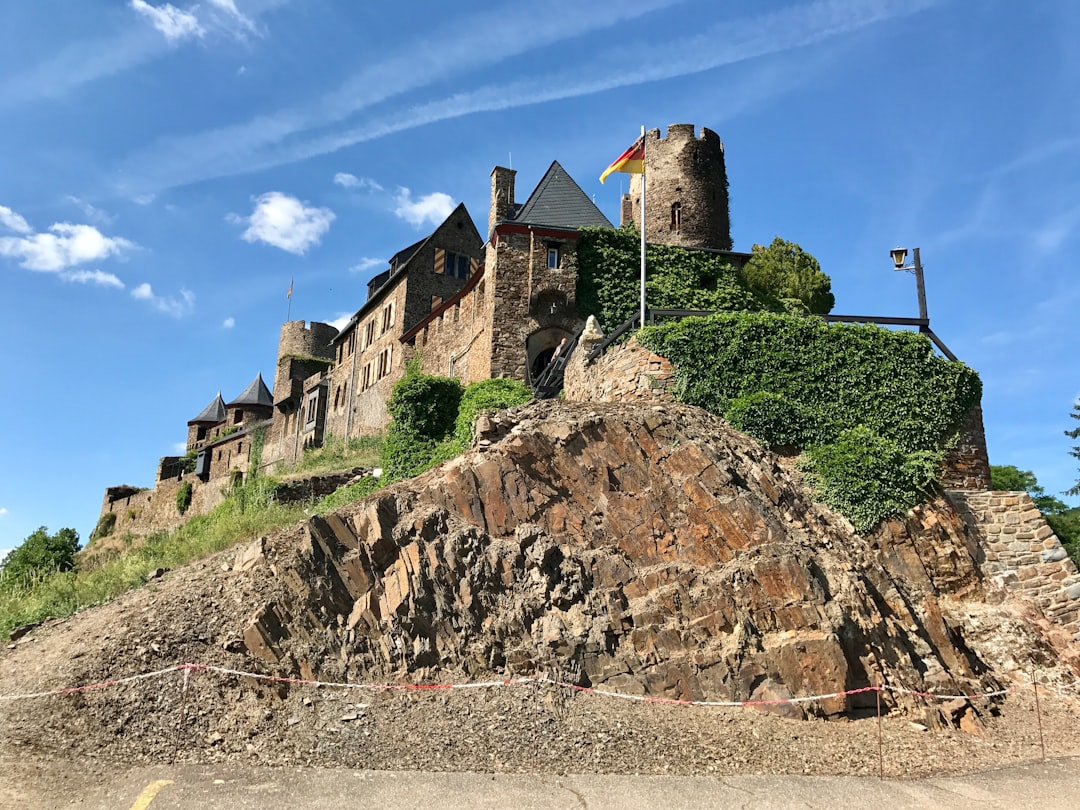
European tours don't have to drain your savings account. With smart planning and insider knowledge, you can experience incredible European adventures at surprisingly affordable prices without sacrificing the quality of your experience. Having spent years analyzing budget tour options and personally testing dozens of operators, I've developed proven strategies for finding excellent value in European touring.
Understanding What Drives Tour Costs
Before diving into money-saving strategies, it's essential to understand where your tour dollars actually go. Accommodation typically represents 30-40% of tour costs, followed by transportation at 20-30%, meals at 15-20%, and guided experiences at 10-15%. The remaining costs cover tour company overhead, guide salaries, and profit margins.
Budget operators reduce costs by making strategic compromises in each category without eliminating essential experiences. They might use three-star hotels instead of four-star properties, include fewer meals, use standard coaches rather than luxury buses, or operate with larger group sizes. Understanding these trade-offs helps you evaluate whether a budget tour meets your needs.
Book During Shoulder Season
Timing dramatically impacts European tour pricing. Peak season in Europe runs from June through August when prices reach their highest levels due to maximum demand. Shoulder seasons, April-May and September-October, offer the sweet spot of pleasant weather, fewer crowds, and significantly lower prices.
Tour operators reduce rates during shoulder seasons by 20-40% compared to peak summer prices. You'll also enjoy less crowded attractions, easier restaurant reservations, and more attention from tour guides. The weather might be slightly less predictable, but the savings and improved experience more than compensate for occasional rain.
Winter tours, particularly outside holiday periods, offer even deeper discounts but come with shorter daylight hours and potentially challenging weather. Consider winter tours for city-focused itineraries where indoor activities dominate.
Compare Apples to Apples
Tour pricing comparison requires careful attention to what's actually included. A seemingly expensive tour might include all meals, entrance fees, and tips, while a cheaper option may require hundreds of additional dollars for these extras.
Create a comparison spreadsheet listing each tour's included features: number of meals, accommodations quality, entrance fees covered, group size, and optional activity costs. Calculate the true total cost including estimated out-of-pocket expenses. Often, mid-priced tours with comprehensive inclusions cost less overall than cheap tours with minimal inclusions.
Consider Eastern European Destinations
Western European tours command premium prices due to higher accommodation and dining costs in countries like France, Switzerland, and England. Eastern European tours offer exceptional value with fascinating history, beautiful cities, and rich culture at fraction of Western European costs.
Countries like Poland, Czech Republic, Hungary, and Croatia provide incredible touring experiences with daily costs 30-50% lower than Western European equivalents. The quality of guides, accommodations, and experiences matches Western Europe, but your money stretches much further.
Look for Early Booking Discounts
Tour operators offer significant early booking incentives to lock in revenue and plan capacity. Booking 6-12 months in advance typically saves 10-20% off standard pricing. Some operators offer even deeper discounts for bookings made 12-18 months ahead.
Early booking also provides the best selection of departure dates, accommodation options, and tour itineraries. Popular tours sell out months in advance, particularly for peak season departures. Set calendar reminders to book when early bird discounts first become available.
Travel in Small Groups
While large group tours generally cost less per person due to economies of scale, small group tours often provide better overall value. With 8-16 participants instead of 30-45, you receive more personalized attention, access to smaller venues, and flexibility that large groups can't match.
Small group operators like Intrepid Travel and G Adventures price competitively with large group tours while delivering superior experiences. The intimate atmosphere, easier logistics, and enhanced cultural connections make small group tours worth any modest price premium.
Choose Tours with Fewer Inclusions
Fully inclusive tours offer convenience but limit your flexibility and often include mediocre meals at tourist-oriented restaurants. Tours with fewer included meals cost less and allow you to explore local dining at your own pace.
Look for tours that include breakfast but leave lunches and some dinners unscheduled. This approach typically saves $30-50 per day while letting you discover authentic local restaurants. You'll have more control over your budget and more authentic culinary experiences.
Consider One-Country or Regional Tours
Multi-country European tours sound appealing but spend considerable time and money on transportation between countries. One-country or regional tours eliminate costly border crossings, reduce travel time, and allow deeper exploration of fewer destinations.
A two-week tour of Italy costs significantly less than a two-week tour visiting five countries, yet provides richer experiences. You'll develop genuine connection with Italian culture rather than superficial exposure to multiple countries. Regional specialization also allows operators to negotiate better rates with local suppliers.
Join Repositioning Tours
Tour operators occasionally need to move equipment and guides between regions for seasonal operations. Repositioning tours offer these transitions at deeply discounted prices, sometimes 40-60% below standard rates.
These tours might have unusual itineraries or slightly less polished logistics, but the dramatic savings make them excellent value for flexible travelers. Sign up for tour operator email lists to receive alerts about repositioning tour opportunities.
Use Tour Operator Comparison Sites
Specialized tour comparison websites aggregate offerings from multiple operators, making it easy to compare options side-by-side. Sites like TourRadar and Bookmundi feature user reviews, detailed itineraries, and real-time pricing from hundreds of tour companies.
These platforms often negotiate exclusive discounts with tour operators or offer price match guarantees. Set up price alerts for tours you're considering, as rates fluctuate based on availability and demand.
Consider Younger-Skewing Tour Companies
Tour companies targeting travelers aged 18-35, like Contiki and EF Ultimate Break, price aggressively to appeal to budget-conscious young adults. While marketed to younger travelers, many of these tours welcome all ages and offer excellent value.
The youthful energy and social atmosphere might not suit everyone, but if you enjoy making new friends and don't mind a faster pace, these tours deliver exceptional bang for your buck. Expect comfortable but not luxurious accommodations and a party-friendly vibe.
Book Directly with Tour Operators
While travel agents provide valuable service, booking directly with tour operators often yields better pricing. Operators may offer exclusive online discounts or more flexibility to negotiate on pricing and upgrades.
Direct booking also establishes a relationship with the operator, potentially leading to loyalty discounts on future tours. Many operators maintain email lists with members-only flash sales and special offers.
Don't Overlook Package Deals
Airlines and tour operators sometimes bundle flights with ground tours at rates lower than booking separately. These packages work especially well for long-haul travelers whose airfare represents a significant portion of total costs.
European airlines like Lufthansa and Air France partner with tour operators to create attractive packages. Check airline websites and tour operator partners for bundle deals that include both transportation and touring.
Watch for Flash Sales
Tour operators periodically run flash sales offering 20-40% discounts on select departures to fill remaining spaces. These sales typically occur 2-4 months before departure and last only 24-72 hours.
Follow your preferred tour operators on social media and subscribe to their email lists to catch these limited-time offers. Flash sale inventory usually consists of specific departure dates with lower-than-expected bookings, so you'll need flexibility on travel dates.
Calculate Total True Cost
The advertised tour price represents only part of your total expense. Factor in flights, travel insurance, visa fees if applicable, tips for guides and drivers, optional activities, and personal spending money.
Budget an additional 30-50% beyond the base tour price for these extras. A $2,000 tour might ultimately cost $2,600-3,000 when accounting for all associated expenses. Cheaper tours may require higher additional spending, while inclusive tours minimize surprise costs.
Start Planning Your Affordable European Adventure
Finding affordable European tours requires research and flexibility, but the rewards are substantial. By applying these strategies, you can experience the same amazing destinations and cultural experiences as expensive tours while keeping your budget intact. The key is understanding what matters most to you and finding operators who excel in those areas at prices that fit your budget.